Your journey to a pain‑free life starts here!
Hip Replacement
The hip joint plays an essential role in movement and stability, allowing us to walk, change direction and move comfortably. Over time, the cartilage covering the joint can wear down, causing pain, stiffness and reduced mobility. When conservative treatments are no longer effective, hip replacement with a prosthetic implant may help restore movement, relieve pain and improve quality of life.
Hip Replacement Abroad
Cost & Info
Movement is an essential part of everyday life. When joint problems begin to limit mobility, they can significantly affect a person’s comfort, independence and overall quality of life. One of the common causes of reduced mobility is damage caused by wear and tear of the hip joint.
The hip joint provides both stability and a wide range of movement, allowing us to walk forwards and backwards, move from side to side and rotate the leg. It also helps absorb and distribute the loads placed on the upper body. Over time, the cartilage covering the joint may gradually wear down, resulting in pain, stiffness and reduced range of motion. When the joint becomes significantly damaged, one possible treatment option is to replace it with an artificial implant.
In brief: Hip replacement is a surgical procedure in which the damaged hip joint is replaced with an artificial prosthetic implant.
The procedure is performed under general or spinal anaesthesia by an experienced surgical team.
Hospital stay: 2 nights (included).
Minimum recommended stay abroad: 7 days.
Waiting time: None or very short.
Trustpilot rating (UK & EU patients): 4.8/5.
Hip replacement surgery cost: €4,100 / £3,513.
Hip implant cost: From €3,400 / £2,913.
Post-operative rehabilitation: €290 / £248 per day.
Possible reimbursement from your local health authority: Available, depending on the applicable healthcare scheme and the patient’s individual circumstances.
Implants used: Zimmer Biomet and Smith & Nephew, widely used and trusted manufacturers of joint replacement implants.
Health Tests
Before any planned orthopaedic surgery, each patient’s health condition is carefully assessed individually. Depending on the procedure, age, medical history and medications, the doctor determines which pre-operative tests are required. All results are reviewed by our medical team before surgery to ensure the patient is properly prepared and any potential risks are identified in advance. Our goal is to provide safe, personalised care throughout the orthopaedic treatment process.
Rehabilitation
After orthopaedic surgery, patients can continue their recovery in the same medical facility where their surgery was performed, avoiding additional transfers and allowing a smooth transition to rehabilitation. The rehabilitation programme is individually tailored to the patient, taking into account the type of surgery and recovery progress. Specialists help restore movement, strengthen muscles, improve joint function and regain independence. Surgery and rehabilitation under one roof provide a convenient and continuous recovery process.
Care After Surgery
After orthopaedic surgery, our medical team provides continuous care and support throughout your hospital stay. Patients receive 24/7 medical supervision, with close monitoring of their condition and support with safe mobilisation and the first stages of rehabilitation. The length of hospitalisation depends on the procedure and the patient’s recovery. Before discharge, the doctor assesses the patient and provides clear instructions for further recovery, medication and rehabilitation.
Hip Replacement
Client's
transformation
About the transformation here
Regarding possible reimbursement for the procedure from your local health board
HSE Reimbursement. You may be able to have your surgery covered by requesting a refund from your local health authority. We assist patients in preparing all the necessary documents to claim reimbursement under the EU directive for medical treatment abroad. Many patients opt for this option due to long waiting times in their home country.
The Process
If you have any questions or would like more information about the procedure, please feel free to contact us via WhatsApp or email.
You will receive a free individual consultation with the surgeon, where your needs and expectations will be discussed, a personalised treatment plan will be prepared, and you will receive a tailored price quotation.
During your consultation, we will discuss your expectations, desired results and the most suitable treatment options for you. The surgeon will explain the procedure, preparation and recovery process, as well as what you can expect from your results.
You will also have the opportunity to ask any questions and receive clear, professional answers.
On the day of your procedure, everything will be carefully prepared to ensure you feel calm, comfortable and confident. Our medical team will support you throughout the entire process, from your arrival at the clinic until the end of your procedure.
Before surgery, the surgeon will review your treatment plan, discuss the final details and answer any last questions you may have.
Your recovery is an important part of your journey, and our team remains by your side throughout the entire process. From the first days after surgery, we stay in contact, answer your questions and provide guidance whenever needed.
Even after you leave the clinic, you are never left alone – we remain available to support you throughout your recovery.
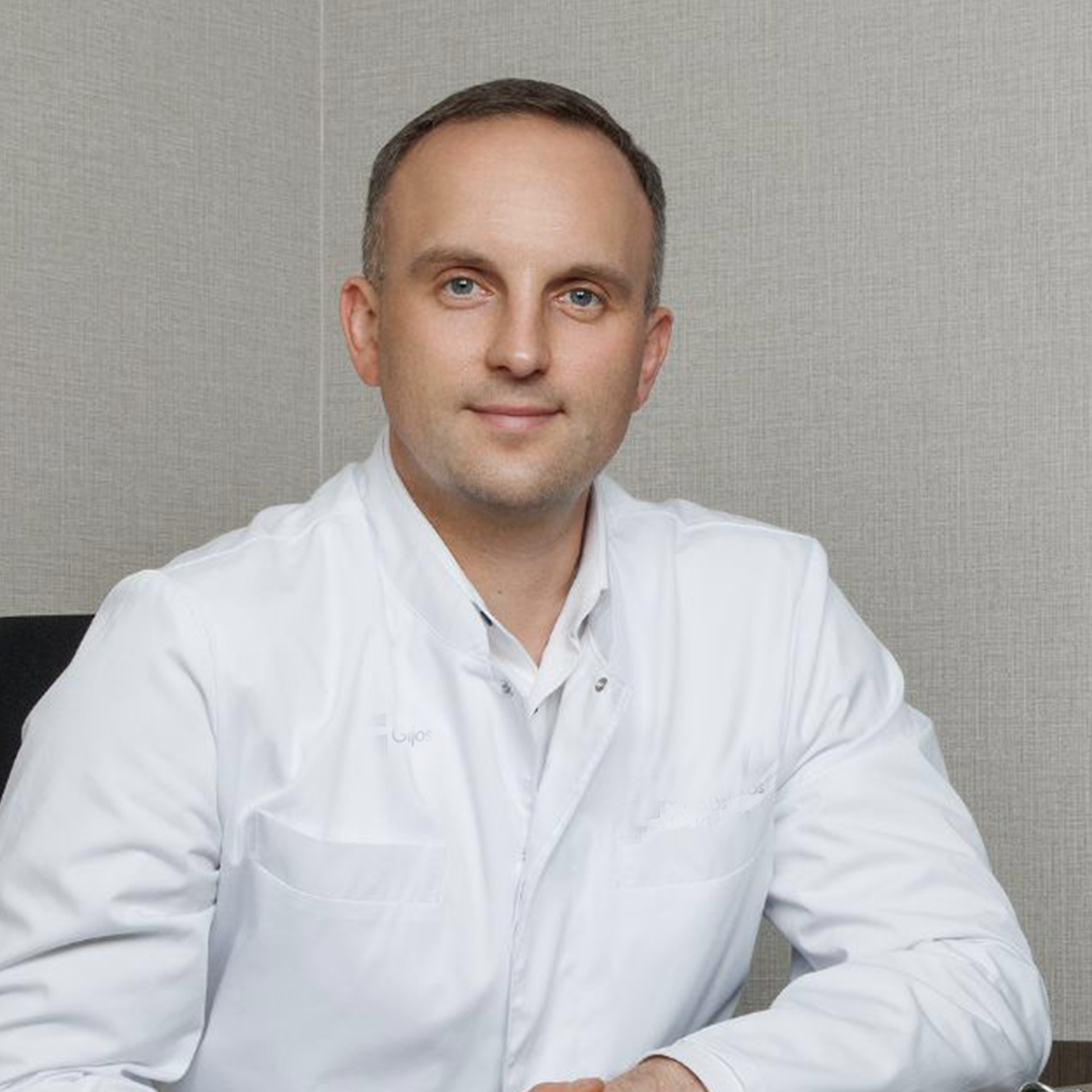
MD PhD Aurimas Širka
Orthopaedic surgeon
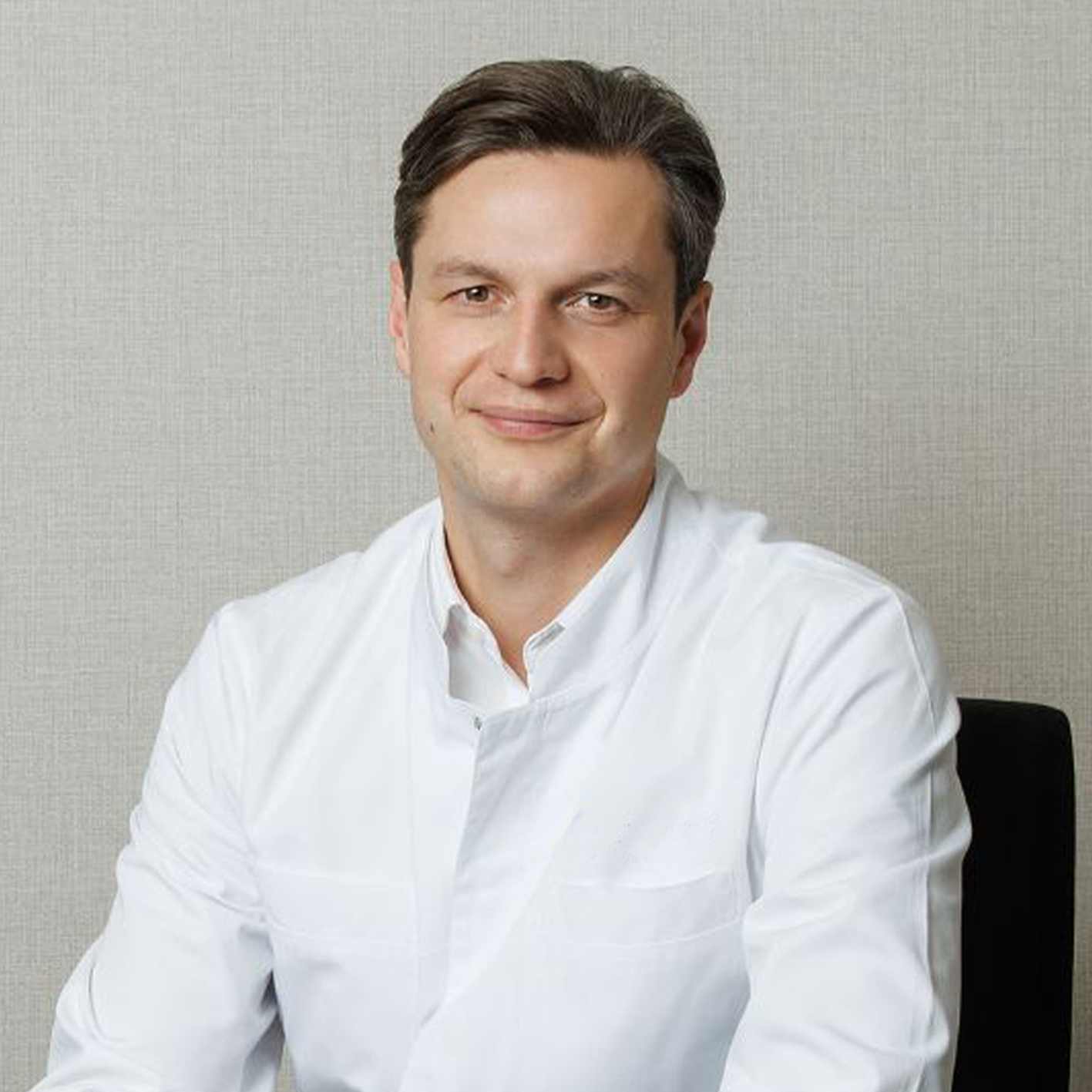
Dr. Linas Zeniauskas
Orthopaedic surgeon
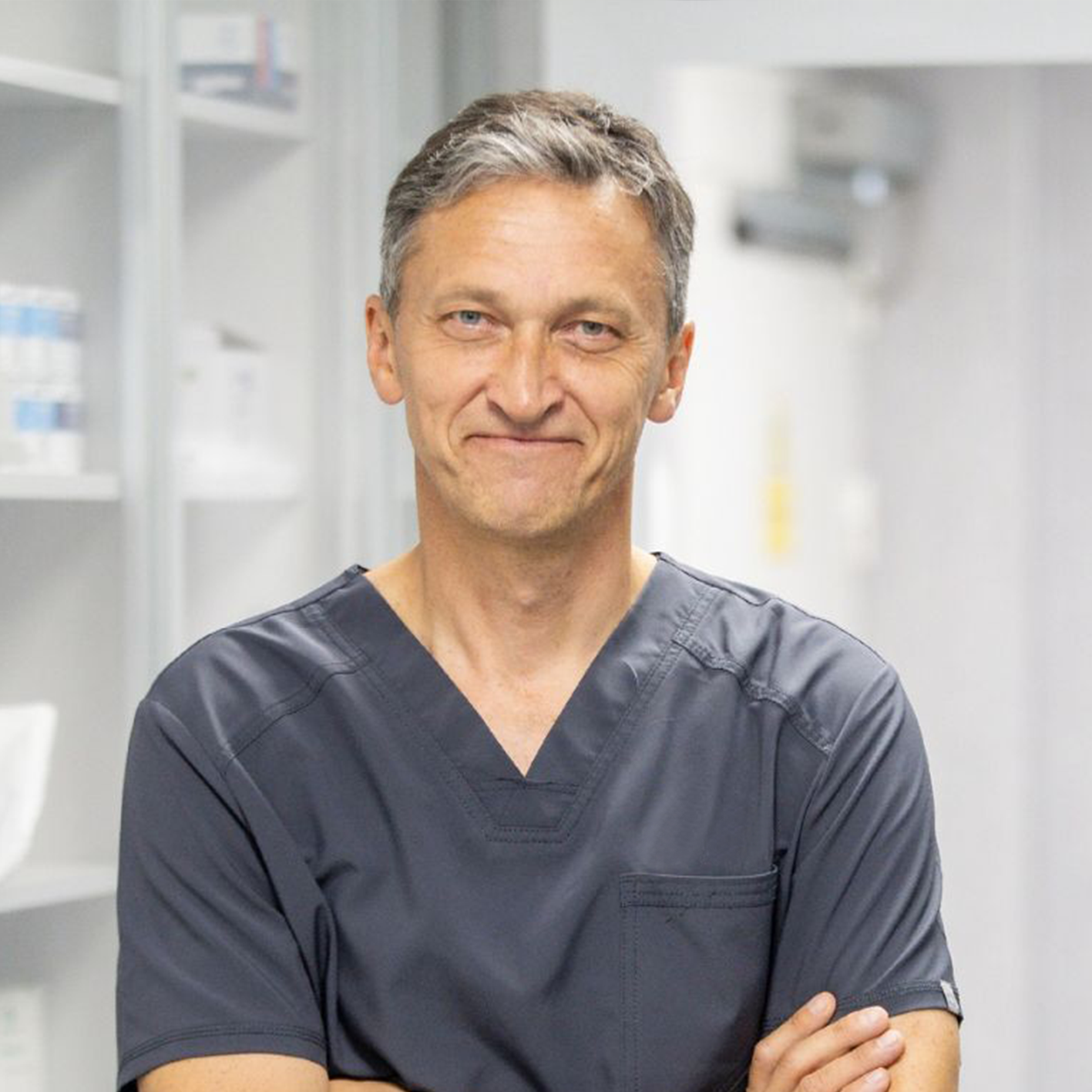
MD, PhD Rimtautas Gudas
Orthopaedic surgeon
A friend who had surgery before recommended BALTICLINIC to me, so I reached out to them for a tummy tuck. I highly recommend this clinic to everyone for its exceptional service and friendly staff who support you every step of the way. Thank you for making my dream come true!
Bernadette, Denmark
Excellent and well-co-ordinated clinic. No hidden cost and amazig experience. Absolutely fabulous care and service. I couldn't be happier with my results. I would recommend your clinic to the whole world. Thank you so much! You have truly changed my life.
Lisa, Norway
Very organized and caring. I highly recommend it to anyone. Thank you for all the help and encouragement throughout the journey. I would definitely return if I wanted to undergo another cosmetic surgery procedure.
Jennifer, Ireland
My experience with BALTICLINIC was exceptional, with everything perfectly organized—from airport pickup to accommodation and check-ups—while the skilled surgeon and friendly, English-speaking staff ensured a smooth, worry-free process with thorough pre-operative tests for safety.
Caitlin, UK
Which Hip Implants Do We Use?
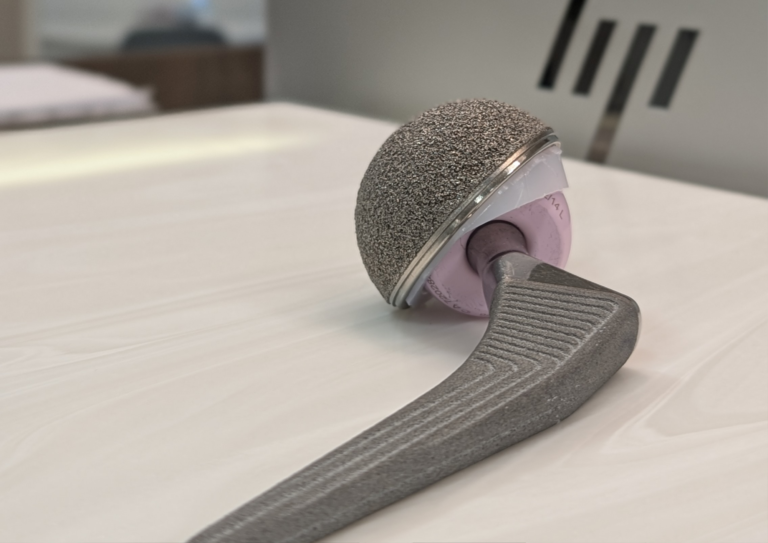
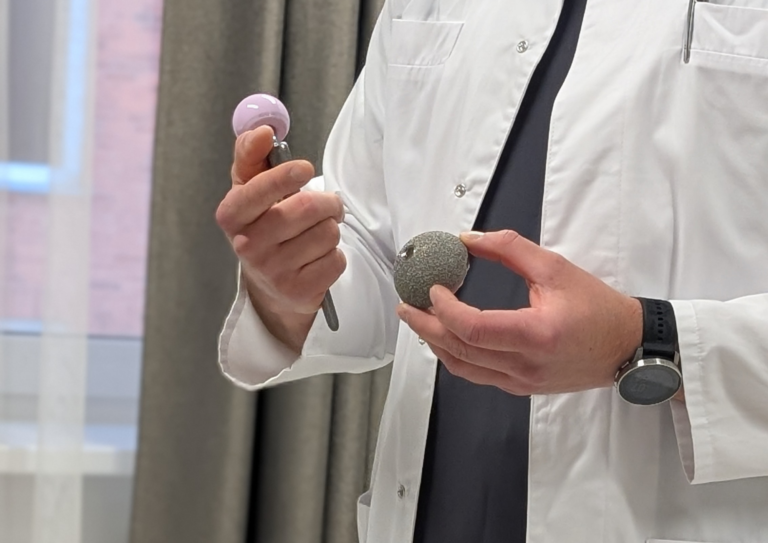
Hip replacement involves replacing the damaged parts of the joint with carefully selected prosthetic components. The choice of implant depends on the patient’s individual needs, overall health, activity level and the surgeon’s assessment.
At BaltiClinic, our orthopaedic surgeons use high-quality implants from trusted international manufacturers, including Zimmer Biomet and Smith & Nephew. Both companies have extensive experience in joint replacement and use modern materials and technologies.
Each implant system is selected according to the patient’s individual needs, with the goal of providing reliable long-term performance, comfort and improved mobility.
What Can Cause Hip Pain?
Causes of Hip Pain
Hip pain can develop for many different reasons, but arthritis is one of the leading causes of long-term hip pain and reduced mobility. Different types of arthritis, injuries and conditions affecting the development or blood supply of the hip can gradually damage the joint.
Osteoarthritis is the most common form of arthritis affecting the hip. It usually develops with age as the protective cartilage covering the joint gradually wears down. As the cartilage becomes thinner, the bones can rub against each other, resulting in pain, stiffness and difficulty moving. The condition may also be influenced by genetics or abnormalities in the way the hip developed.
Rheumatoid arthritis is an autoimmune condition that causes inflammation of the joint lining. Over time, persistent inflammation can damage the cartilage and other structures of the hip, leading to pain, stiffness and reduced function.
Post-traumatic arthritis may develop following a significant injury, such as a hip fracture or dislocation. Damage to the joint can cause gradual deterioration of the cartilage, and symptoms may appear or worsen years after the original injury.
Osteonecrosis (avascular necrosis) occurs when the blood supply to the femoral head is reduced or interrupted. This can cause the bone tissue to weaken and collapse, eventually leading to joint damage and arthritis. Hip injuries and certain medical conditions can increase the risk of osteonecrosis.
Hip conditions originating in childhood can sometimes affect the joint later in life. Even when a childhood hip problem has been successfully treated, abnormal development of the joint may result in uneven joint surfaces and increase the risk of arthritis as the person gets older.
Rehabilitation
At BaltiClinic, your treatment and recovery can be managed in one convenient location. Following hip replacement surgery, rehabilitation plays an essential role in helping you regain strength, mobility and confidence in everyday movement. Our rehabilitation team provides personalised care throughout your recovery, with a programme adapted to your individual needs and progress.
Our rehabilitation care includes:
Over 40 years of experience in providing medical care and rehabilitation services;
Complete treatment and recovery in one location, without the need to travel between different facilities;
One-to-one physiotherapy with a qualified specialist who will guide you through the correct exercises and safe movement techniques;
A personalised rehabilitation programme, adjusted according to your condition, comfort and recovery progress;
A combination of rehabilitation methods, which may include physiotherapy, cold and compression therapy, therapeutic massage, muscle strengthening and exercises designed to improve mobility and joint function;
Early mobilisation after surgery, helping you safely regain independence and learn to use walking aids correctly;
Aquatic physiotherapy, introduced once the surgical area has sufficiently healed and the patient is medically ready;
Practical advice on using mobility and daily-living aids during your recovery;
The possibility of a follow-up consultation with your surgeon during the rehabilitation period;
A professional and caring medical team providing continuous support throughout your stay;
Comfortable, modern private rooms equipped with a private bathroom, TV, Wi-Fi and essential hygiene products;
Fresh meals with a choice of menu options during your stay.
Our aim is to make your recovery as smooth and comfortable as possible, helping you gradually return to everyday activities with greater confidence and less pain.
Our clinic is the leading plastic surgery center in the Baltic States
At our clinic, every patient is unique and deserves exceptional care and personal attention. We take the time to understand each patient’s individual needs and expectations and carefully plan their treatment to ensure that it is tailored to their specific situation.
We want your treatment experience to be not only professional but also as comfortable as possible. Our patients can enjoy a welcoming environment, modern facilities, delicious meals, and complimentary Wi-Fi.
With more than 20 years of experience, our highly qualified, English-speaking surgeons and medical team provide modern medical care using advanced technologies and up-to-date treatment methods.
- Located in Lithuania, a safe and reliable country, our clinic is committed to quality, responsibility, and 24/7 individualized care—all at affordable prices.
F.A.Q.
During hip replacement surgery, both the ball and the socket of the joint are replaced with high-quality implants. Titanium has long been recognized for its proven performance and remains one of the most trusted materials among surgeons. The durability of an implant depends on various factors, including a person’s weight and level of physical activity.
At BaltiClinic, our surgeons use only top-tier implants — titanium Zimmer Biomet and ceramic-metal Smith & Nephew systems. Both are known for their outstanding biocompatibility, advanced design, and proven clinical results. These implants combine decades of surgical expertise with the latest technological innovations, ensuring optimal outcomes tailored to each patient’s unique needs.
One of the primary reasons for ongoing hip pain and reduced mobility is arthritis, most often appearing as osteoarthritis, rheumatoid arthritis, or post-traumatic arthritis.
Osteoarthritis develops gradually as the hip joint wears down with age. It commonly affects people over 50 and those with a family history of arthritis. Over time, the cartilage that cushions the bones thins out, allowing the bones to rub together and cause discomfort, stiffness, and loss of flexibility. In some cases, mild irregularities in hip formation during childhood can contribute to earlier joint wear.
Rheumatoid arthritis is an autoimmune disorder in which the body’s immune system mistakenly attacks the joint lining, leading to persistent inflammation. This ongoing process damages the cartilage and causes pain, swelling, and stiffness. It’s the most prevalent type among inflammatory joint diseases.
Post-traumatic arthritis may occur after a hip injury or fracture. Damage sustained during the trauma can gradually lead to cartilage breakdown, resulting in pain and reduced joint movement over time.
In some instances, an injury such as a hip fracture or dislocation can interrupt blood flow to the femoral head, leading to a condition known as osteonecrosis (avascular necrosis). When bone tissue lacks sufficient blood supply, it can weaken and collapse, eventually leading to arthritis. Certain diseases may also trigger this process.
Hip problems in childhood can also play a role later in life. Even if these issues are treated early, they may alter the normal growth and shape of the hip joint, making arthritis more likely to develop in adulthood.
World class medical treatments
Highly qualified surgeons
Over 20 years of experience
Quality and Responsibility
Modern Clinic and latest technologies
24/7 Individualized Care
Wide range of medical procedures
Comprehensive bariatric treatment and care package
All English speaking Staff
Lithuania is a Safe and Reliable Country
Affordable prices
Hip replacement is surgery to remove damaged sections of the hip joint and replace them. Replacement parts are usually made of metal, ceramic and hard plastic. This artificial joint, called a prosthesis, helps reduce pain and improve function. Hip replacement also is called total hip arthroplasty.
Patients who are active, in good physical shape, and younger are often the best candidates for an anterior approach hip replacement. A good candidate for hip replacement is someone with osteoarthritis or another condition that has damaged the cartilage in the hip joint.
The best age for hip replacement typically falls between 60 and 80 years. However, patients younger than 60 or older than 80 can also be suitable candidates depending on their specific conditions.
Most experts recommend delaying hip replacement until at least the 60s if possible.
How to prepare for hip replacement surgery?
To prepare for knee replacement surgery, consider the following steps
Understand Your Diagnosis: Familiarize yourself with your condition and the surgery process to feel more informed and confident.
Follow Medical Preparations: Adhere to any medical instructions provided by your surgeon, including pre-operative assessments and any required tests.
Create a Preparation Checklist: Follow a checklist that includes tasks like arranging for post-surgery help, preparing your home, and gathering necessary supplies.
Know What to Expect: Understand recovery timelines, pain management strategies, and rehabilitation exercises to prepare mentally and physically for the surgery.
These steps will help ensure a smoother surgery and recovery process.
Most patients notice significant improvement already on the first day after surgery, as arthritic pain is gone and they feel more comfortable.
Some mild discomfort at the incision site is normal but can be effectively managed with pain medication.
Eating and drinking are usually allowed on the same day.
After the first day, patients are typically able to sit on the edge of the bed and even stand. By the third day, with assistance from the clinic staff, they can start walking slowly using crutches.
By about one week after surgery, most of the pain has disappeared and painkillers are no longer needed, though certain movement restrictions may still apply.
Four to six weeks after the procedure, patients are generally able to return to a more active lifestyle.
We provide complete medical care under one roof! For your convenience, both surgical and rehabilitation services are available in the same clinic. Recovery after hip replacement is a crucial part of the healing process and plays a major role in the final outcome of the surgery — it can influence its success by as much as 50%. Our experienced team is here to help you restore comfortable, pain-free movement.
Our services include:
Over 40 years of experience in providing medical services;
Comprehensive treatment at one of Lithuania’s leading private clinics;
Individual post-operative physiotherapy sessions with detailed guidance on safely returning to daily activities and avoiding injuries;
Personalized rehabilitation plans tailored to each patient’s comfort and condition. These may include cold and compression therapy, physiotherapy treatments to reduce inflammation and strengthen muscles, physiotherapy sessions to improve range of motion and restore joint function, therapeutic massage, and more. Early post-op rehabilitation helps patients learn to move with assistive devices, speeds up healing, and restores joint function;
Aquatic physiotherapy starting 2 weeks after surgery, once the joint has fully healed;
Support in using assistive devices for home and daily activities, available through our on-site shop;
Opportunity to consult with the operating surgeon during the rehabilitation period;
Caring and friendly staff;
Modern and comfortable private rooms with TV, Wi-Fi, private bathroom, and essential hygiene products;
Delicious meals with menu options;
All-inclusive rehabilitation packages can be reimbursed by local health authorities (including the surgery itself), meaning the patient typically only covers travel expenses.

BaltiClinic is one of the leading private clinics in Lithuania, providing reliable, high-quality plastic, orthopaedic, and bariatric surgery services with a focus on safe and honest patient care.
Quick Link
Useful links
©2026 Balticlinic. All Right Reserved.